
Ever noticed those futuristic buildings popping up everywhere? They’re likely the result of parametric design. Let’s see how this trend is revolutionizing architecture.
But first, what’s parametric design?
Think of parametric design like a digital playground for architects. Instead of creating a single, fixed design, architects set up rules and parameters on a computer. By adjusting these rules, they can explore a wide range of design possibilities, leading to unique and functional buildings.
Why is Parametric Design so popular?
Thanks to advancements in technology and software, parametric design is more accessible than ever. Programs like Grasshopper, Dynamo, and Autodesk Maya help architects experiment with different shapes and forms. When combined with Building Information Modeling (BIM) it ensures everything fits together perfectly.
Benefits of Parametric Design
- Boosting Creativity: Architects can think outside the box and try out innovative ideas. By tweaking design rules, they can create distinctive and eye-catching buildings.
- Enhancing Efficiency: This approach helps find the best ways to save energy, use materials efficiently, and ensure structural strength. It’s all about optimizing resources.
- Customizing Designs: Every project can be tailored to meet specific client needs or fit perfectly within its environment. It’s like having a bespoke suit, but for buildings.
- Improving Collaboration: These tools make it easier for architects, engineers, and others to work together. Sharing ideas and visualizing different options leads to better results.
Real-World Examples
Here are some amazing buildings made possible by parametric design:
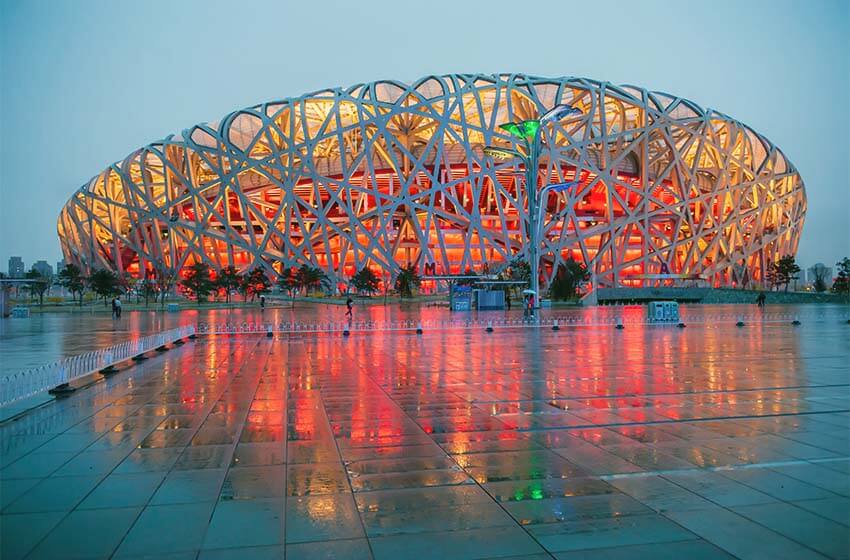
- The Beijing National Stadium (Bird’s Nest): This iconic stadium, designed by Herzog & de Meuron for the Olympics, features a unique, nest-like structure achieved through parametric design.
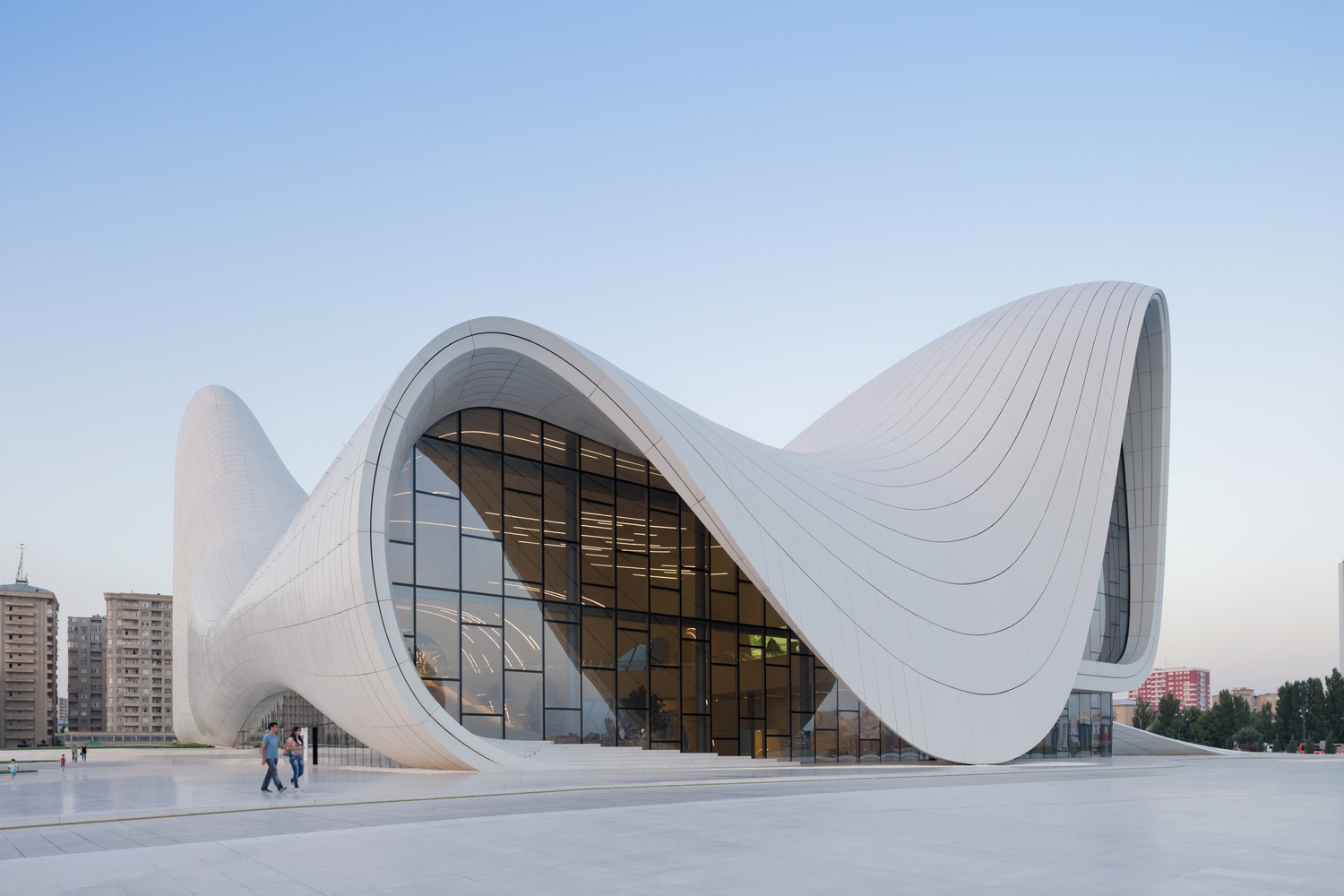
- The Heydar Aliyev Center: Located in Baku, Azerbaijan, this building by Zaha Hadid Architects is known for its flowing, wave-like design. Its smooth curves are a perfect example of parametric design.
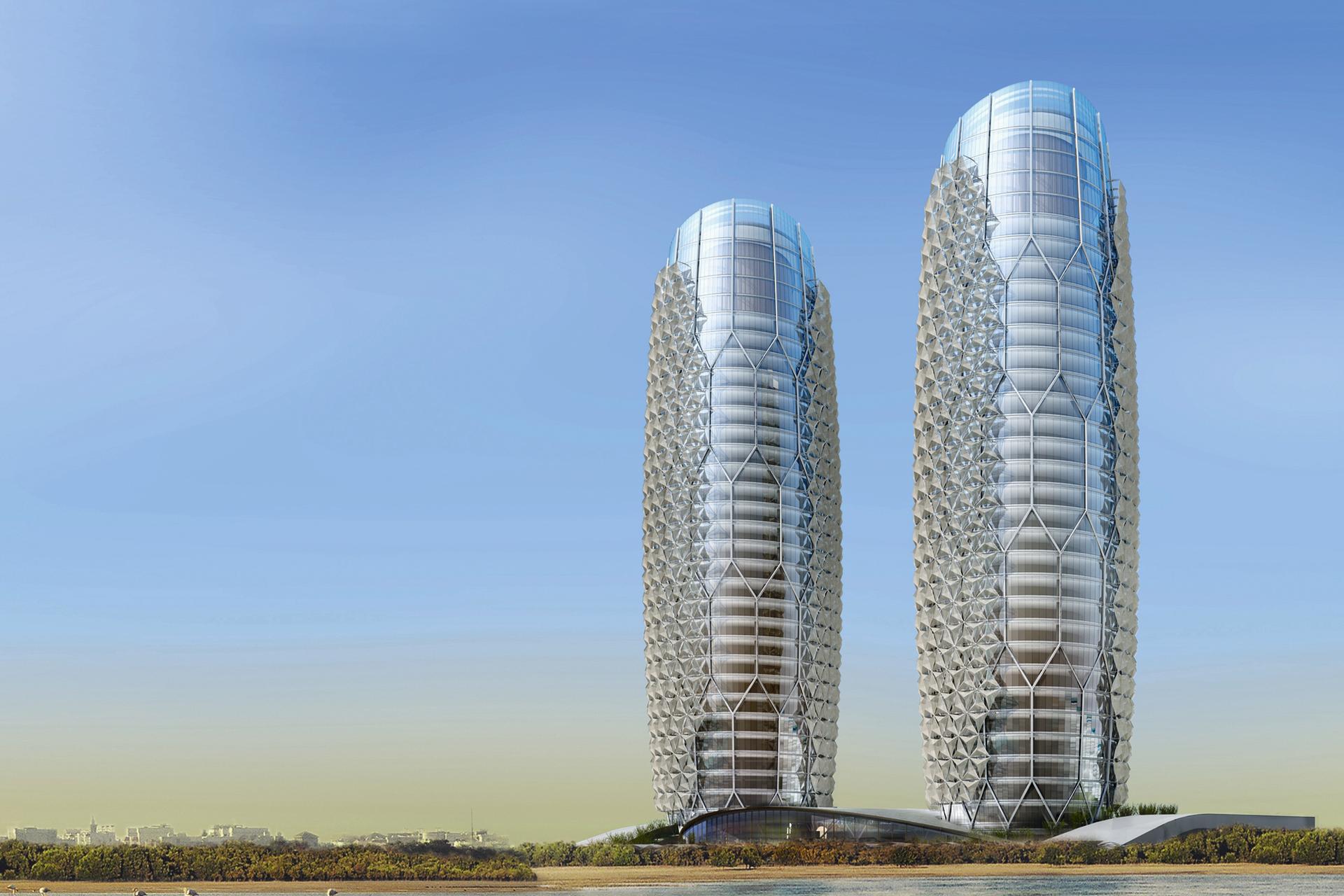
- The Al Bahar Towers: These towers in Abu Dhabi have a dynamic facade that adjusts with the sun’s position, helping to keep the building cool and save energy.
The Future of Parametric Design
As technology continues to advance, parametric design will become even more impressive. The integration of artificial intelligence and machine learning promises to enhance architectural design, making buildings more efficient and visually stunning.
In conclusion, parametric design is transforming the architectural landscape by fostering creativity, efficiency, and adaptability. As more architects embrace this approach, we can look forward to a future filled with innovative and sustainable buildings.