
In today’s interconnected world, architecture is increasingly embracing the fusion of cultural heritage with modern design. This trend not only honors tradition but also embraces contemporary aesthetics and functionality, creating spaces that are both meaningful and innovative.
Integrating cultural heritage into modern design requires a deep understanding of historical and cultural contexts. Architects draw inspiration from traditional materials, techniques, and motifs, reinterpreting them to resonate with contemporary sensibilities. This blend of old and new creates a sense of continuity and respect for the past while addressing present-day needs and aspirations.
The Role of Local Materials and Craftsmanship
One effective way to incorporate cultural heritage into modern design is by using local materials and craftsmanship. For instance, utilizing traditional building materials like wood, stone, or adobe not only pays homage to cultural roots but also promotes sustainability. Local craftsmanship, with its rich history and expertise, adds authenticity and uniqueness to the design.
Reimagining Architectural Elements
Architectural elements such as courtyards, arches, and ornamental details can be reimagined in modern contexts. By adapting these features to contemporary functions and aesthetics, architects create spaces that feel familiar yet fresh. This approach fosters a sense of belonging and cultural pride among occupants and visitors.
Incorporating cultural heritage into modern design is crucial for preserving the identity of rapidly urbanizing regions. As cities expand and modernize, there is a risk of losing cultural distinctiveness. Thoughtfully integrating traditional elements helps maintain a sense of place and continuity, ensuring cultural heritage is not lost in modernization.
Successful Examples
Notable examples of this integration include
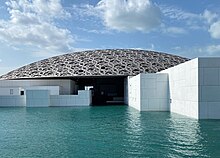
- Louvre Abu Dhabi
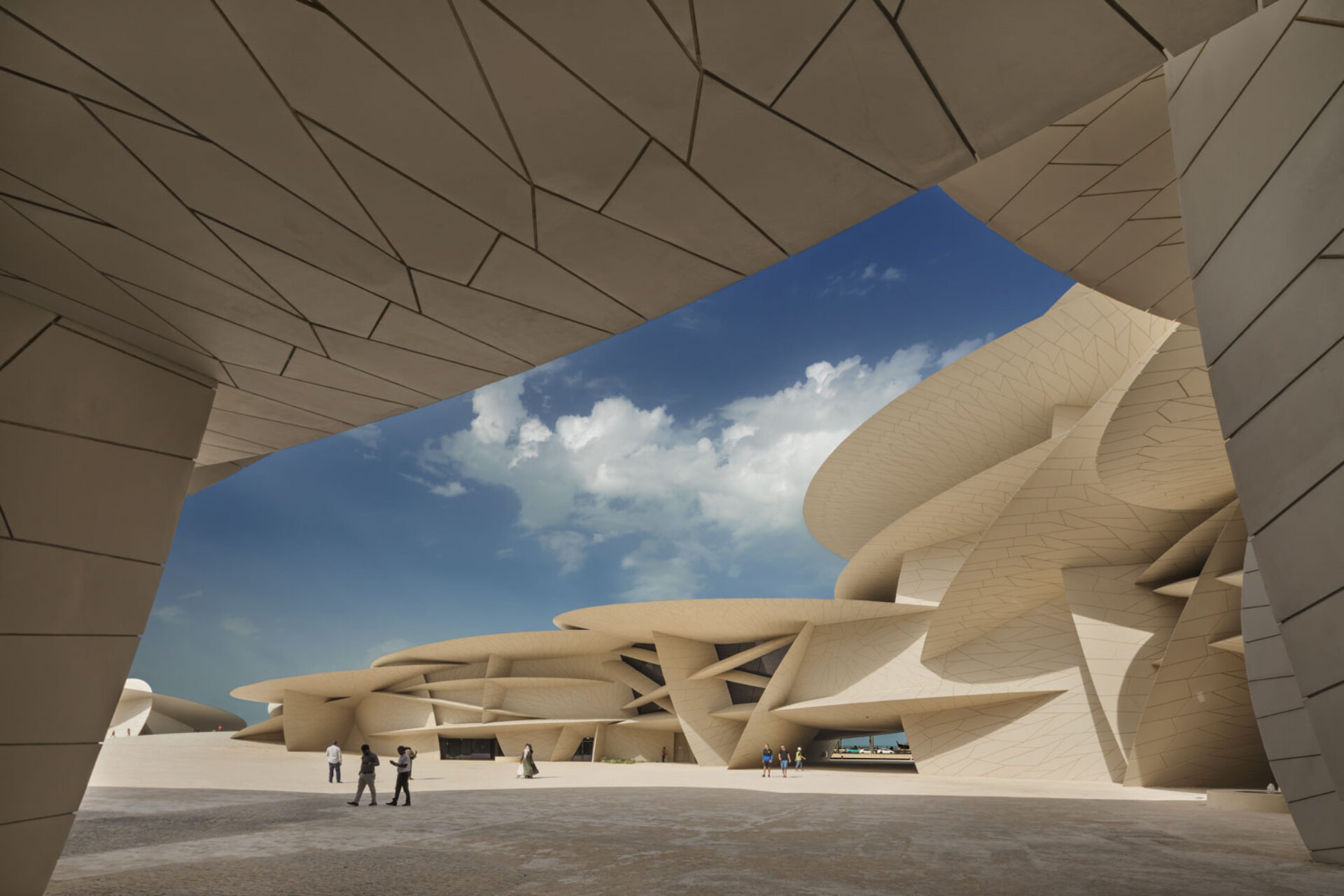
- National Museum of Qatar
These institutions blend modern architectural techniques with elements inspired by local culture and history, creating iconic structures deeply rooted in their contexts.
Creating Meaningful Connections
Ultimately, integrating cultural heritage with contemporary architecture creates meaningful connections between the past and the present. It celebrates identity and tradition, brought to life through the lens of modern design. This approach enriches our built environment and strengthens our cultural fabric, ensuring that heritage continues to inspire and inform future generations.
By embracing this fusion, architects can create innovative spaces that honor the past while addressing the needs of the present, fostering a richer, more connected world.